
Berlin's queer heart at a glance
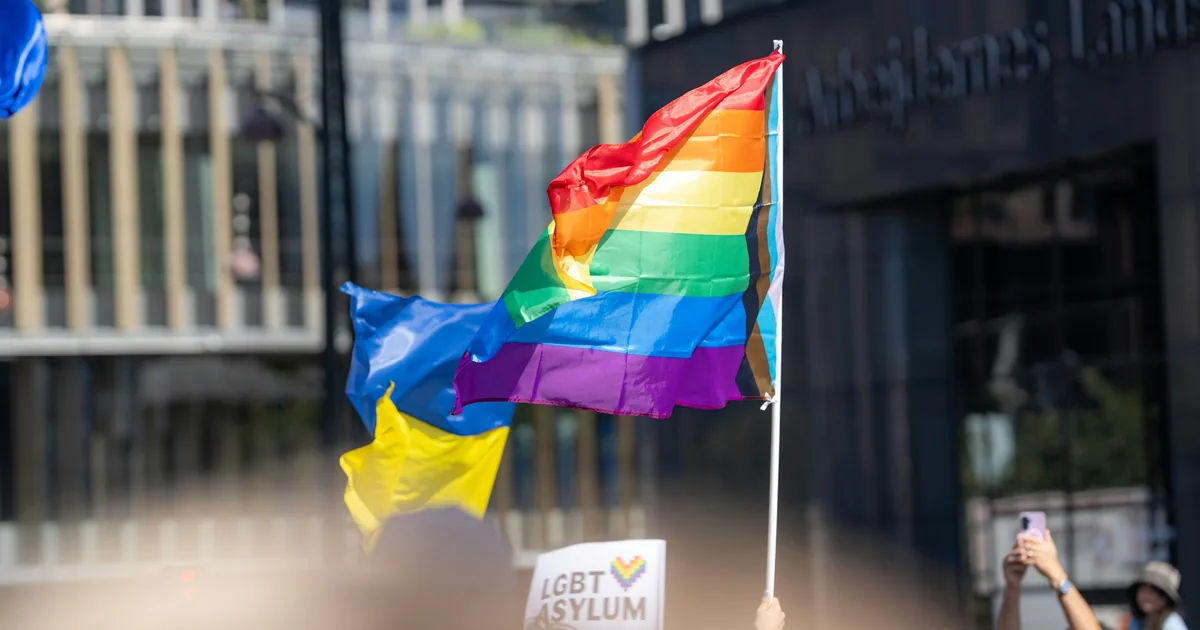
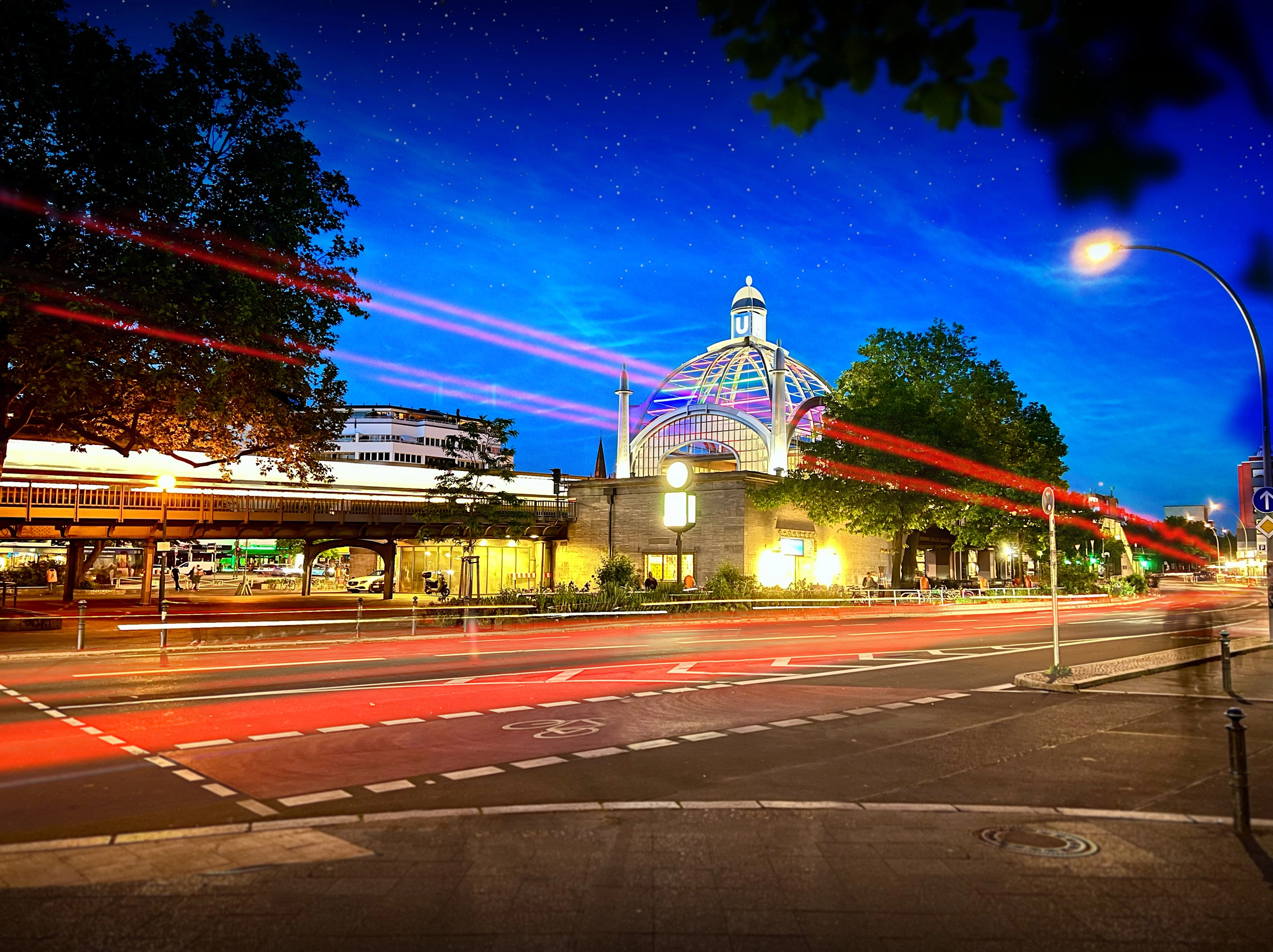
The Rainbow Quarter around Nollendorfplatz is the geographic and symbolic heart of queer Berlin.
What defines the neighbourhood, why it's known internationally, and what you can experience there today — at a glance.
Where exactly is the Rainbow Quarter?
The Rainbow Quarter covers the streets around Nollendorfplatz: Motzstraße, Fuggerstraße, Eisenacher Straße and Nollendorfstraße form the historical core together with the square itself.
The Tempelhof-Schöneberg district officially describes Nollendorfplatz as the centre of the Rainbow Quarter, with the surrounding streets as the historical heart of Berlin's gay scene.
The quarter is directly accessible via four U-Bahn lines (U1, U2, U3 and U4) — a constellation that is unusual for a single Berlin neighbourhood and has contributed substantially to its international visibility.
Why is it called the Rainbow Quarter?
The name refers to the rainbow flag, the internationally established symbol of queer visibility that emerged in San Francisco in the 1970s and has since stood for the diversity of gender and sexual identities. In Schöneberg's quarter you find the symbol not only on individual bars, but on street signs, building facades, shop windows — and even on the kerb.
The name is not a marketing invention. It grew out of a real, visible queer infrastructure over decades, and was eventually adopted by the district administration itself.
From subculture to a visible neighbourhood
Schöneberg was already one of the most important queer hubs in Europe during the Weimar Republic.
Read more
Bars, associations, publishing houses and the nearby Institut für Sexualwissenschaft, founded by Magnus Hirschfeld in 1919, made the area a place where queer life had to be hidden less than in most other places.
This visibility ended brutally with the Nazi takeover — persecution, deportation and murder destroyed the existing structures almost entirely. It was only from the late 1970s and 80s onwards that bars, initiatives and communities slowly rebuilt the quarter into what it is today: a neighbourhood where queer life is not just present, but matter-of-factly visible.
What you see in the Rainbow Quarter today
If you walk through the quarter without any background, you first see a mix of residential streets, bars, cafés, bookshops, fetish stores and restaurants.
Look more carefully and you start to see layers:
- The memorial plaque at U-Bahn station Nollendorfplatz, installed in 1989, commemorating with a pink triangle the persecution and murder of homosexual people during the Nazi era.
- Bars, bookshops such as Eisenherz, and meeting places that have been part of community history for decades.
- Rainbow markings on the pavement, on street signs and facades — not city marketing, but a self-positioning that has grown over time.
- A mix of long-time regulars and visitors that turns the quarter into an unusually open space.
You can find a curated selection of the venues we visit on our tours under Locations.
Why the quarter is more than going out
Reducing the Rainbow Quarter to a place to drink or party would miss the point.
It is at the same time a site of memory — the history of persecution, activism and emancipation is not abstract here, it is readable at concrete addresses. It is a space of safety — many queer people come here precisely because they can be visible without having to explain themselves. And it is a space of observation — anyone who wants to understand how queer life in Western Europe has changed over the past hundred years finds in the Nollendorfkiez a dense piece of history concentrated on a few square kilometres.
Live in the quarter, not just on Google
Many places in the Rainbow Quarter look at first glance like ordinary bars, street corners or apartment buildings.
On our KiezTour, we show you why they matter for the history of queer Berlin — exactly where they happened. Our drag queen guides connect history, anecdote and present-day quarter culture in a four-hour walk that starts every Thursday at 5:30 pm; English-language tours run on the first Thursday of every month.
Frequently asked questions about the Rainbow Quarter
Where does the Rainbow Quarter begin?
The quarter is not strictly defined. At its core it surrounds Nollendorfplatz with Motz, Fugger, Eisenacher and Nollendorfstraße.
From the U-Bahn station you can reach the most important addresses on foot in a few minutes.
Is the Rainbow Quarter open to everyone?
Yes. The quarter is explicitly an open neighbourhood — queer bars generally welcome allies and visitors, but individual venues cater to specific communities.
When is the best time to visit?
The quarter is interesting all year round. It is particularly lively around Pride events in summer, the Lesbian and Gay Street Festival in July and Folsom Europe in September.
How can I experience the Rainbow Quarter on a guided tour?
On our KiezTour, drag queens lead a four-hour walk through the Nollendorfkiez every Thursday at 5:30 pm. English-language tours are scheduled on the first Thursday of each month and cost €39 per person.