
What queer travellers should know
Safety isn't a side topic for many queer travellers. The Nollendorfkiez is considered a visible queer space — what that means in practice, where caution still helps and where you can find support.
Why this question is fair
Travelling as a queer person often means thinking about safety.
That's not overreaction; it's experience. Even in cities with a liberal reputation, queerphobic incidents happen, and the Nollendorfkiez isn't immune — even though the quarter is one of the most visibly queer spaces in Germany.
This honest assessment is more useful than a comforting blanket judgement in either direction.
The quarter as a visible queer space
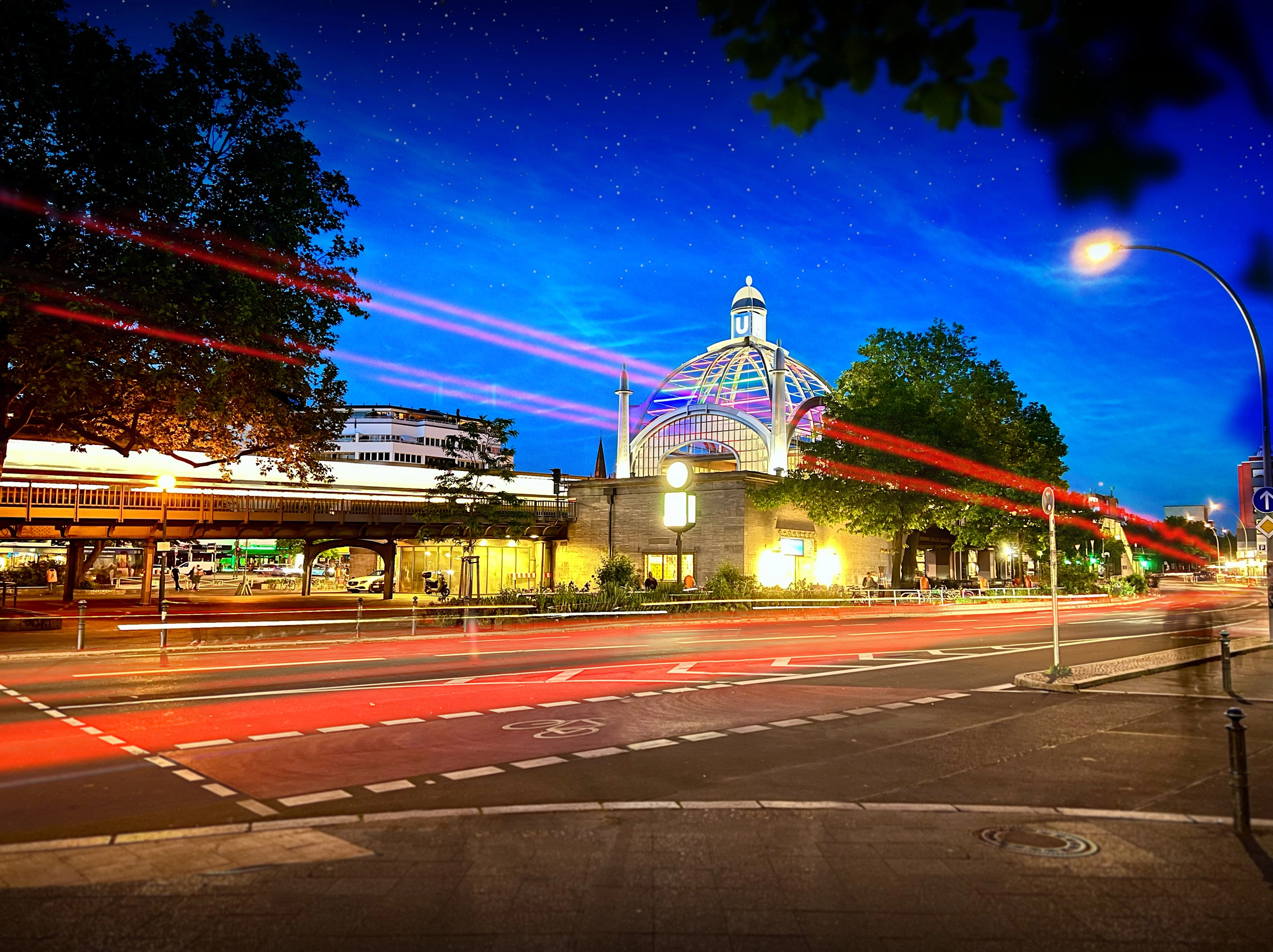
In everyday life, the Nollendorfkiez is one of Europe's most relaxed queer spaces.
Bars are visible, rainbow flags hang on doorways, couples holding hands are unremarkable, queer communities have had a matter-of-fact presence here for decades. Anyone arriving from less tolerant environments often notices that within minutes.
That is real and shouldn't be relativised. It is a concrete advantage of this quarter compared to many other destinations.
Still: Berlin isn't a fantasy land
Queerphobic incidents do still happen. In 2025, attacks on the Berlin gay anti-violence project Maneo in Schöneberg were reported — a reminder that even the Rainbow Quarter doesn't exist in a protective bubble. Maneo publishes annual statistics on queerphobic violence in Berlin, which show that such incidents have not disappeared.
Realistically, the quarter is safer than many other places, but not risk-free. Caution isn't paranoid; it's grown-up.
Practical tips for visitors
- Move in groups or at least in pairs, especially at night. That applies everywhere, not just in Berlin.
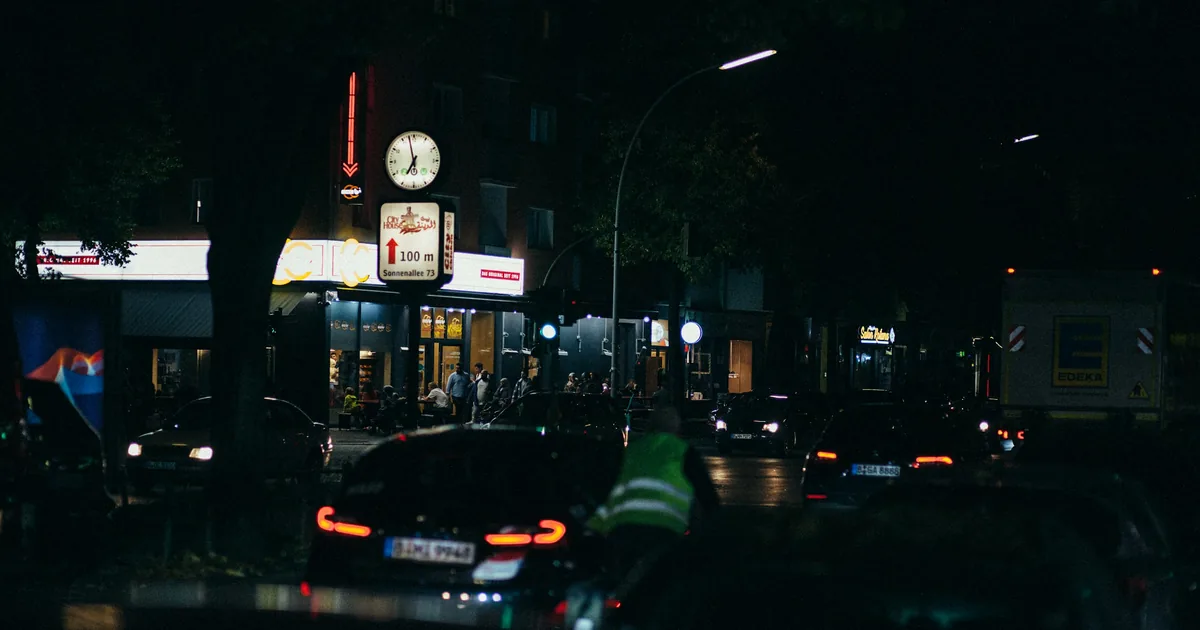
- Stay on well-lit routes, particularly after midnight.
- Keep an eye on your drinks. Banal, but important.
3 more
- If you feel unsafe, step into a queer bar — staff are usually trained.
- Avoid provocative photos in front of bars or memorials. They aren't backdrops.
- Save emergency numbers: 110 (police), 112 (medical), Maneo hotline for queerphobic violence in Berlin.
Where to find help
Berlin has established support services for queer people that can be reached in emergencies.
Maneo is the gay anti-violence project, with a hotline and counselling. Lesbian anti-violence support exists too. Medical care is reachable via regular emergency services; specialised support is easy to find online. Check current contacts before travel — phone numbers and opening hours change.
Why guided tours can help
A guided tour isn't primarily a safety service, but it makes it easier to enter a quarter you don't know.
You walk in a group, you learn to read locations, you see which bars have regulars and which are more touristy. Once you've walked the quarter with a guide, you move around independently with more confidence afterwards.
Live in the quarter, not just on Google
Especially if Berlin is new to you, a guided KiezTour can be a good entry: you walk the quarter with people who can really place it.
For specific questions, see our FAQs or get in touch via our contact page.
Frequently asked questions
Is the Nollendorfkiez safe at night?
Most nights, yes. As everywhere: well-lit routes, groups or pairs, eyes on your drinks. Incidents are rare but not impossible.
Can I walk hand in hand as a queer couple?
In the quarter, almost always without trouble. Outside the quarter, the situation varies by district and time of day.
What to do if something happens?
Call police (110) immediately for acute threats. For follow-up support, queer organisations such as Maneo are useful. Bars in the quarter are often a first point of contact because staff are aware.
Are tours useful for solo travellers?
Yes. You walk in a group, learn the quarter and meet other travellers. Especially good for solo trips.