
Why drag is more than a show
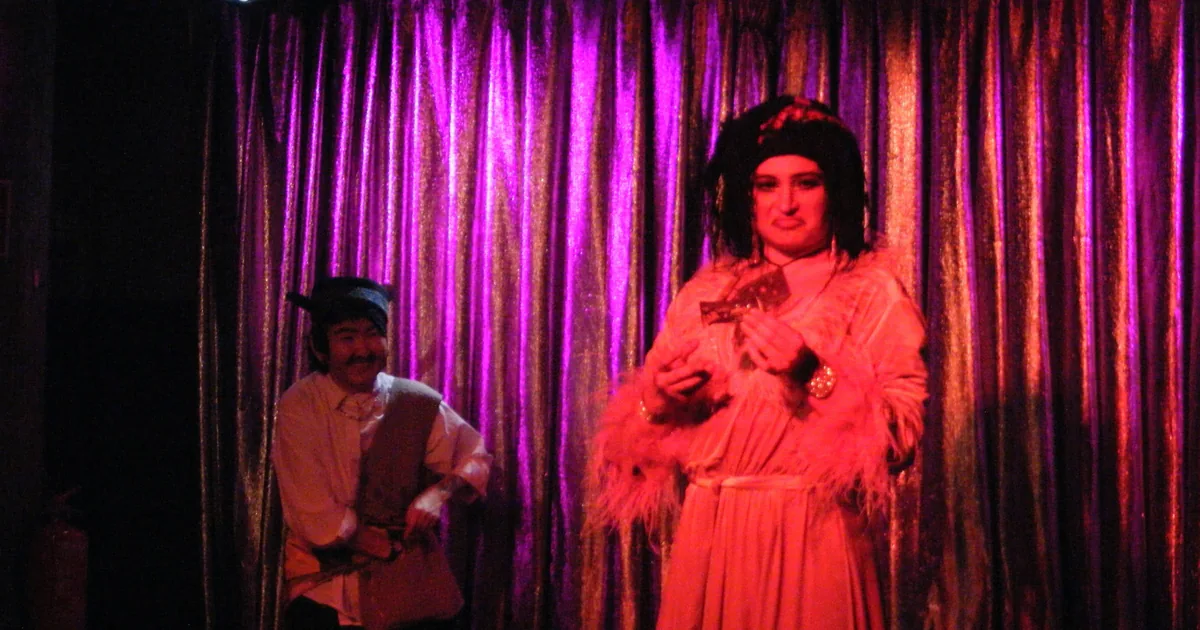
Drag queens belong to Berlin like nightlife and attitude. In the Rainbow Quarter they are performers, storytellers and a political statement at the same time.
Drag is entertainment — but not only
At first glance drag works as a show: costume, make-up, attitude, voice, timing.
If you've ever seen a good drag performance you understand why the format entertains. But describing drag purely as comedy or spectacle misses half the picture: drag is also commentary — on the gender order, on class, on who is allowed on a stage.
Drag as social commentary
Drag plays with gender roles by exaggerating them. A drag queen is not primarily an imitation; she is a commentary figure.
The tradition reaches far back: Weimar cabaret stages in the 1920s, New York ballroom culture in the 1970s and 80s, AIDS-crisis activism, mainstreaming via RuPaul's Drag Race from the 2010s onwards. In each phase, the point was more than just dressing up.
Berlin sits in this line with its own history: Weimar-era cabarets used gender exaggeration as an art form long before it was called drag in the US.
Berlin as a stage for drag
Today Berlin hosts one of Europe's densest drag scenes. Bars in the Rainbow Quarter, Kreuzberg, Neukölln and Friedrichshain put on regular shows.
The scene is plural: comedy drag, performance-art drag, lipsync shows, drag kings, alternative drag beyond classic glamour codes. There is no single Berlin drag style — there is a field.
Drag in the Nollendorfkiez
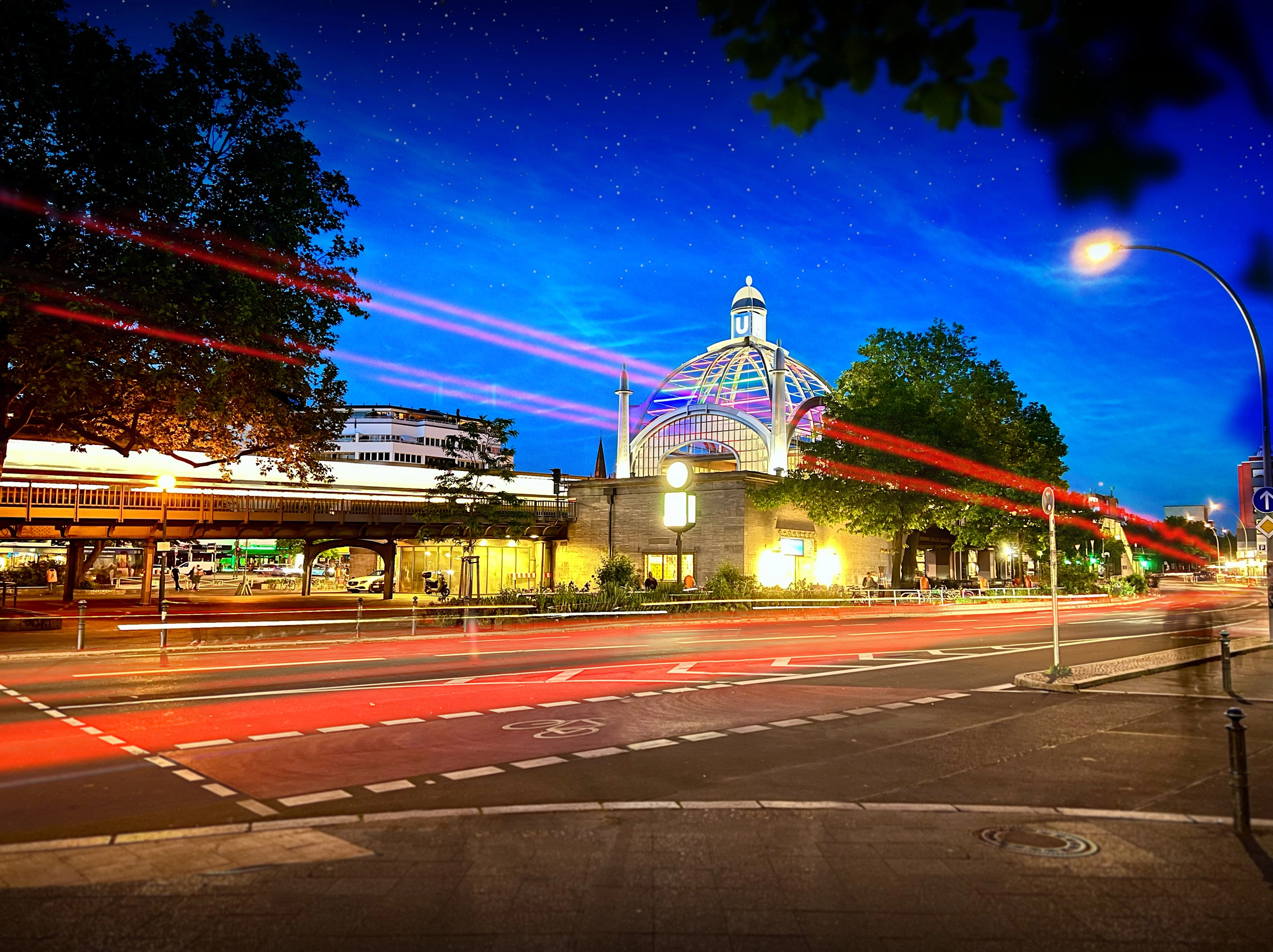
In the Rainbow Quarter, drag has been part of the everyday for decades.
Some bars run regular drag nights, others work with guest performers, others are explicitly performer-run venues. Tour guides from the drag scene act as a bridge between entertainment and knowledge transfer — a combination that doesn't exist this densely everywhere.
Why a drag queen tour works differently
A guided walk with drag queen guides is not a drag show in the strict sense.
It's a format that combines personality, knowledge, anecdote and performance. The history of the quarter isn't read from a script, it's told — with pace, punchlines and the occasional gut punch. If you expect guidebook tone, you'll get something else.
This format suits the Nollendorfkiez especially well, because past and present don't separate cleanly here anyway.
What visitors can expect
Not pure comedy. Not dry history. Instead: storytelling fed by personal experience with Berlin's scene and queer history, delivered with the speed and directness that come from stage work.
If you don't laugh at least once, you probably caught the wrong evening — not the wrong guide.
Live in the quarter, not just on Google
On our KiezTour, actual drag queens lead through the quarter.
That doesn't make the history less serious — it often makes it accessible in the first place. The guide profiles are on the guide page.
Frequently asked questions about drag in Berlin
Where can I see drag shows in Berlin?
The Rainbow Quarter has classic drag bars; Kreuzberg, Neukölln and Friedrichshain offer more alternative drag performances.
Most venues announce dates via social media.
Is drag the same as crossdressing?
No. Crossdressing is a broader practice; drag is a performative art form rooted in stage context. The two overlap but are not identical.
Are drag shows only for queer audiences?
No, drag shows in Berlin are generally open. The point is not to treat the audience as pure consumers, but as part of a space with codes.
What's the difference between a drag queen tour and a drag show?
A tour is a guided city walk led by drag queens — the focus is on stories and places, not on an evening-length stage show.