

Why this place is more than a grey block in Tiergarten
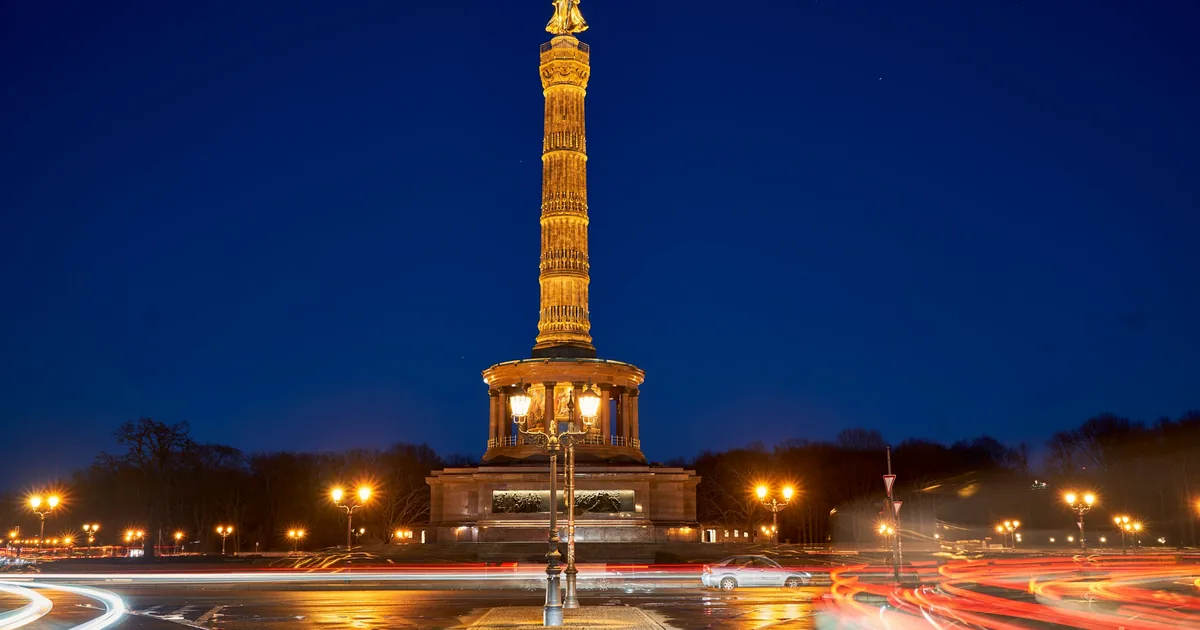
In Tiergarten, diagonally opposite the Holocaust Memorial, stands the Memorial to Homosexuals Persecuted under Nazism.
It tells a long-overdue story — and is on the must-see list of any queer Berlin visit.
Why Berlin needs several queer memorial sites
Over the decades, Berlin has developed multiple queer memorial sites — the plaque at Nollendorfplatz station from 1989, the memorial in Tiergarten from 2008, smaller markers and Stolpersteine. This multiplicity isn't a coincidence; it reflects a long, difficult history of recognition. The persecution of homosexual people under National Socialism was acknowledged as a separate chapter of state remembrance only late.
Multiple memorial sites make sense because they serve different functions: neighbourhood remembrance, central state memory, individual fates, artistic engagement.
What the memorial shows
The memorial was inaugurated on 27 May 2008. It sits in Tiergarten, opposite the Memorial to the Murdered Jews of Europe — a deliberate spatial placement: one complements the other without competing with it. It is dedicated to the homosexual victims of the Nazi regime and at the same time stands as a sign against intolerance and exclusion.
The form is a grey concrete block with a viewing window through which a film projection plays. The projection changes over the years — a deliberate decision to keep queer present built into the memorial, rather than freezing it as pure history.
Why remembrance remains political
The persecution of homosexuals under National Socialism was a politically uncomfortable topic after 1945.
Paragraph 175 remained in force in West Germany in its tightened Nazi version until 1969, which means the victims were not legally rehabilitated for decades after the war. An official rehabilitation of those convicted under Paragraph 175 in the post-war period only took place in 2017.
The memorial therefore marks not just a historical event but an unusually long delay in political recognition — and is itself part of that history.
Difference to the Nollendorfplatz plaque
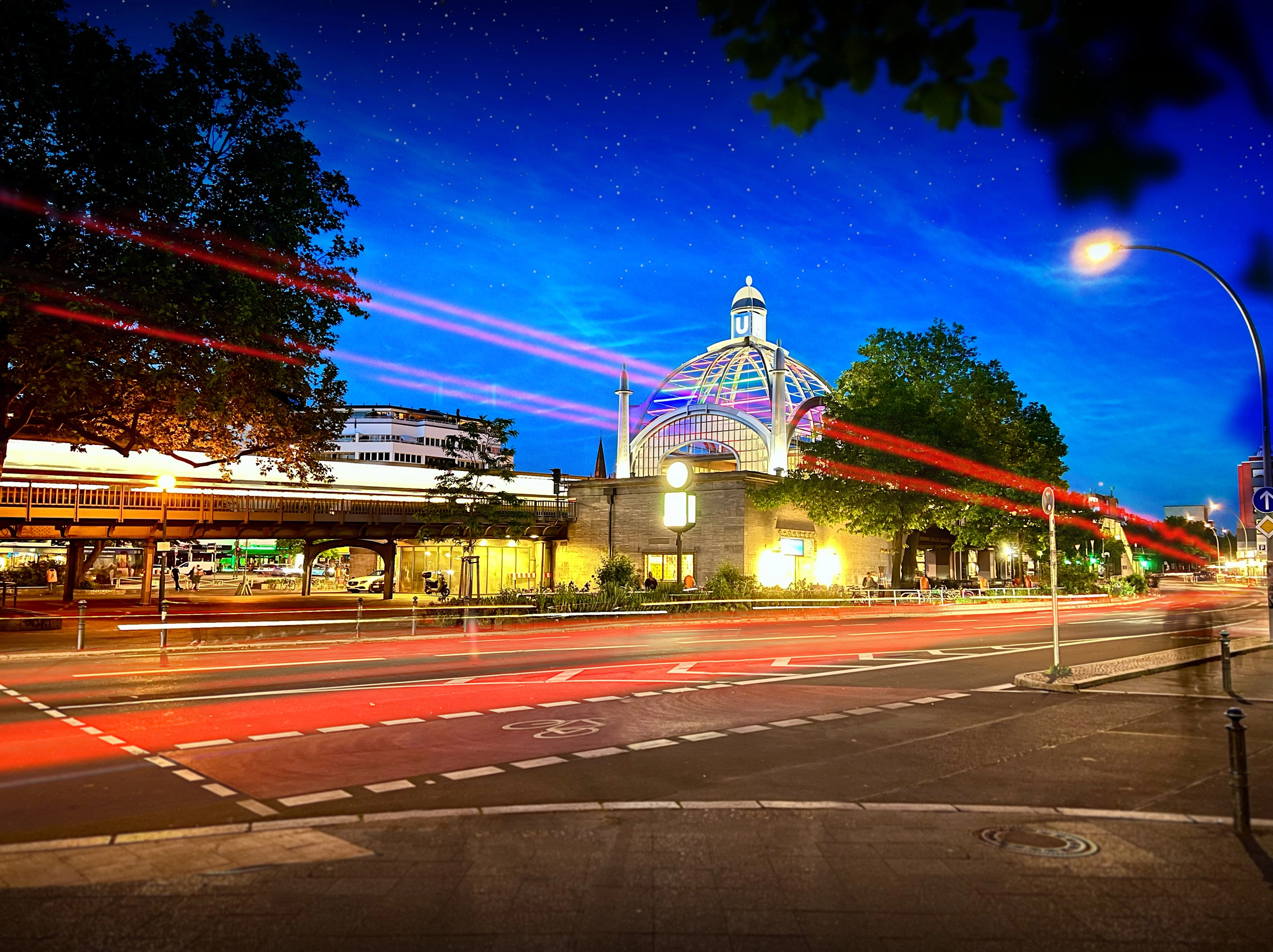
The 1989 plaque at Nollendorfplatz is a neighbourhood memorial: everyday, small, integrated into street space.
The Tiergarten memorial is a central state site, embedded in a larger memorial area, with its own concept, commissioned artists and institutional care. Together they create a fuller memorial space than either does alone.
How to combine a visit
A sensible sequence: first neighbourhood history at Nollendorfplatz, then central remembrance in Tiergarten — or the other way round.
From Nollendorfplatz the memorial is about 15 minutes on foot or a short U-Bahn ride away. Plan a day around it: KiezTour in the morning or afternoon, the memorial as a stop on a walk through Tiergarten.
Live in the quarter, not just on Google
Our KiezTour stays inside the Nollendorfkiez.
If you want to walk further afterwards, the tour helps you understand many of Berlin's other memorial sites better. More background on the places we visit is on the locations page.
Frequently asked questions
Where exactly is the memorial?
In Tiergarten near Ebertstraße, diagonally opposite the Memorial to the Murdered Jews of Europe.
Is it free to visit?
Yes. It's freely accessible in public space.
What does the film projection show?
Changing film sequences depicting queer relationships. The projection is renewed over the years so that the imagery doesn't freeze.
How do I combine the memorial with the KiezTour?
The easiest way is as two separate stops on the same day: Tiergarten as a quiet pause, Nollendorfkiez as a guided tour. Together they leave a fuller impression than either alone.