

Why this small plaque matters
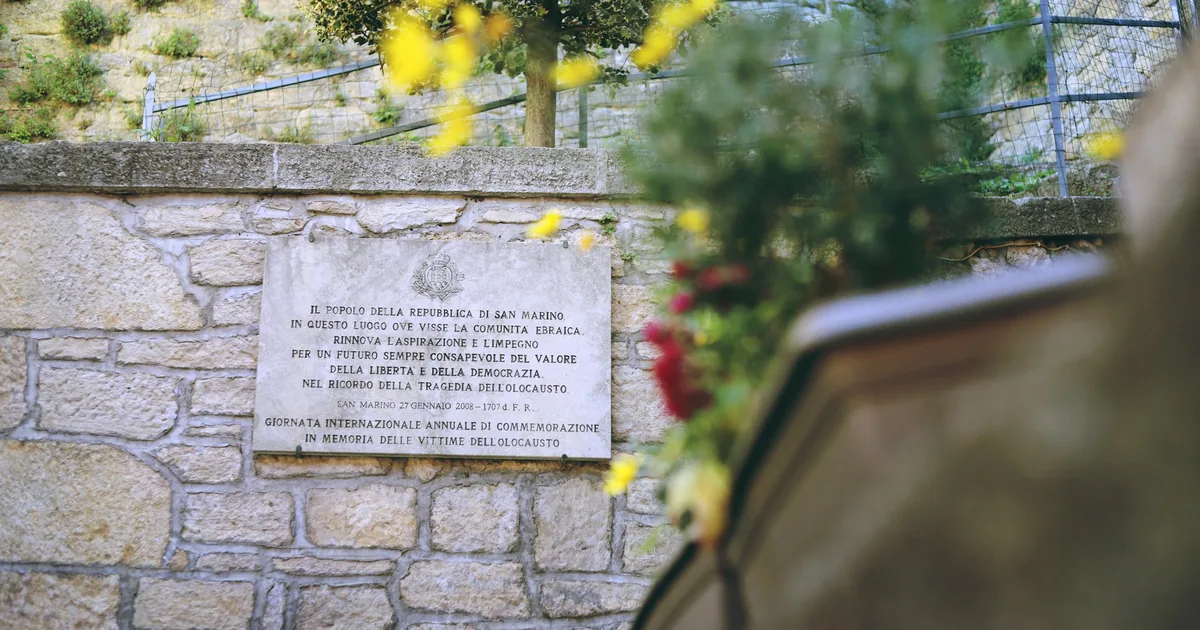
At Nollendorfplatz U-Bahn station, a memorial plaque with a pink triangle commemorates homosexual victims of the Nazi regime.
It is small, easy to miss — and one of the central queer memorial sites in Berlin.
A small sign with a big meaning
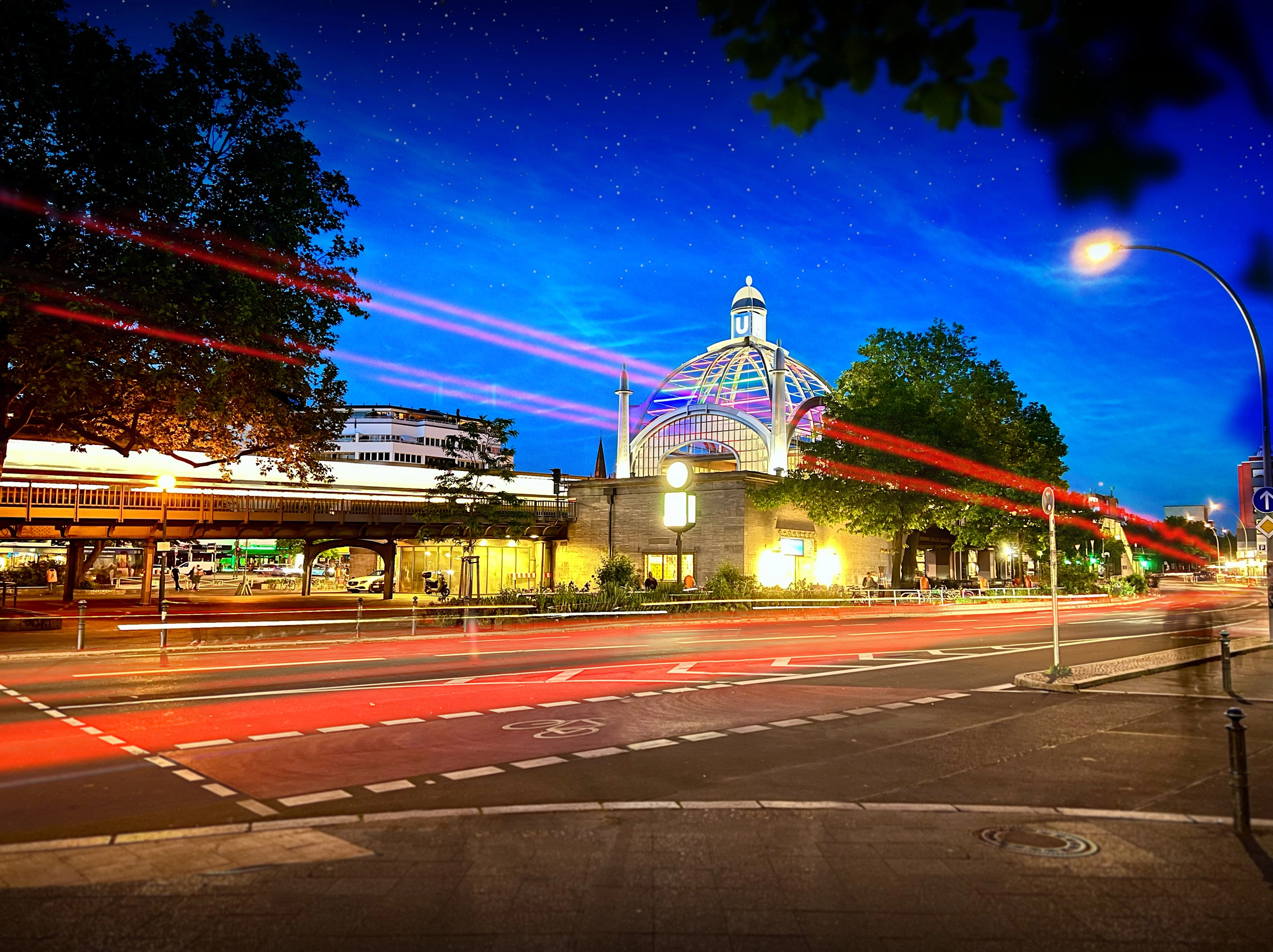
If you exit Nollendorfplatz U-Bahn station, you first see traffic, bars and rainbow flags.
If you pause for a moment, you'll spot a relatively small memorial plaque with a pink triangle on the station's outer wall. It was installed in 1989 and has since become one of the most important queer memorial sites in Berlin.
Its small size is no accident. It is part of everyday space, not isolated in a designated memorial zone. That is precisely what makes it effective.
What does the pink triangle mean?
In the Nazi camp system, the pink triangle was the marker sewn onto the uniforms of homosexual male prisoners.
It functioned as a marker of disenfranchisement, social isolation and targeted violence in the camps.
After 1945 it took decades for the symbol to be reclaimed. Only in the 1970s and 80s did the queer movement appropriate the pink triangle — first as a memorial sign, later as a symbol of queer visibility. This act of reclaiming is itself political: turning a sign of persecution into a sign of remembrance is an active form of taking ownership of history.
The plaque at Nollendorfplatz station
The plaque was installed in 1989. It uses the pink triangle to commemorate the persecution and murder of homosexual people during the Nazi regime.
Both the timing and the location were deliberate: Nollendorfplatz was historically a centre of Berlin's gay scene — and is today the heart of the Rainbow Quarter. Remembrance here connects with present-day queer visibility.
Why this location matters
Other memorials in Berlin sit apart. The central Memorial to Homosexuals Persecuted under Nazism in Tiergarten is a state memorial that stands on its own.
The Nollendorfplatz plaque works differently: it is part of everyday life — people walk past, tourists take photos, some pause, some don't. That very lack of separation is its value.
Remembrance without pathos
Memory tips into emptiness when treated as obligatory ceremony.
The plaque doesn't demand that. It also works if you simply stop briefly, read the text, and walk on. The point is that the moment happens at all.
If you know the context, the plaque looks different: it is not an isolated sign, it sits in a quarter whose current visibility would look very different without the rupture under the Nazi regime.
What visitors should keep in mind
It's a memorial site, not a photo backdrop. Selfies in front of it aren't forbidden, but they read as disrespectful.
Photographing the plaque itself in passing is fine, as long as it isn't used as a stage prop. A short reading pause is the more appropriate gesture.
Live in the quarter, not just on Google
On the KiezTour, this site is not a quick photo stop.
We take time to contextualise it — because queer history isn't only made of glitter. Our drag queen guides connect remembrance and present without slipping into either cliché.
Frequently asked questions
Where exactly is the plaque?
On the outer wall of Nollendorfplatz U-Bahn station. It's visible in passing, but easy to miss if you aren't looking.
When was it installed?
In 1989. It was one of the first permanently visible memorial plaques of its kind in Berlin's public space.
Are there other queer memorial sites in Berlin?
Yes. The central Memorial to Homosexuals Persecuted under Nazism is in Tiergarten. Further plaques and memorial markers are spread across the city.
Is it worth visiting without a guided tour?
Of course — the plaque is freely accessible. But the context makes a real difference: with background, you understand much more clearly why it stands exactly here and why the reclaiming of the pink triangle by the queer movement matters.