

Why it pairs perfectly with the KiezTour
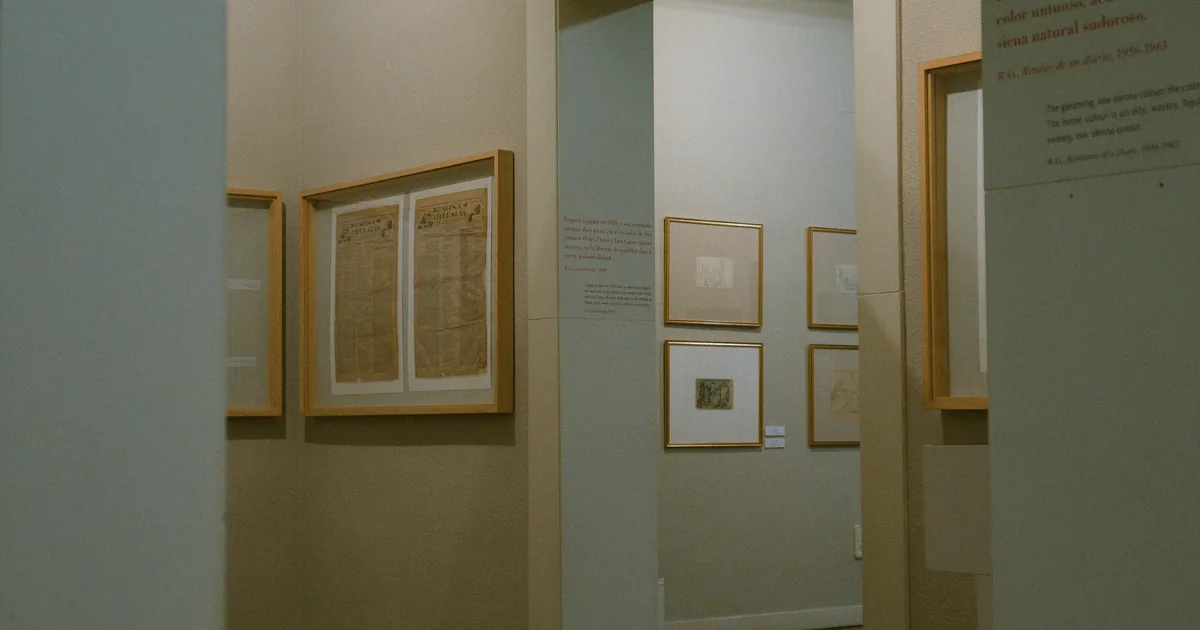
The Schwules Museum on Lützowstraße collects, researches and exhibits queer history at a level that sets international standards — and sits in walking distance from the Rainbow Quarter.
More than a museum of gay history
The name Schwules Museum dates from the 1980s — today the institution covers far more than the original name suggests.
Read more
It exhibits gay, lesbian, trans, bisexual, intersex and queer life stories, collects archival material, conducts research and curates rotating exhibitions. Anyone arriving with the expectation of a men-only history will be pleasantly surprised.
The museum is among the oldest queer museums in the world and has changed substantially since its founding in 1985. Today it is one of the most important addresses for queer culture and history in Europe.
Why the location matters
The museum sits in Lützowstraße in Tiergarten, in walking distance from the Rainbow Quarter.
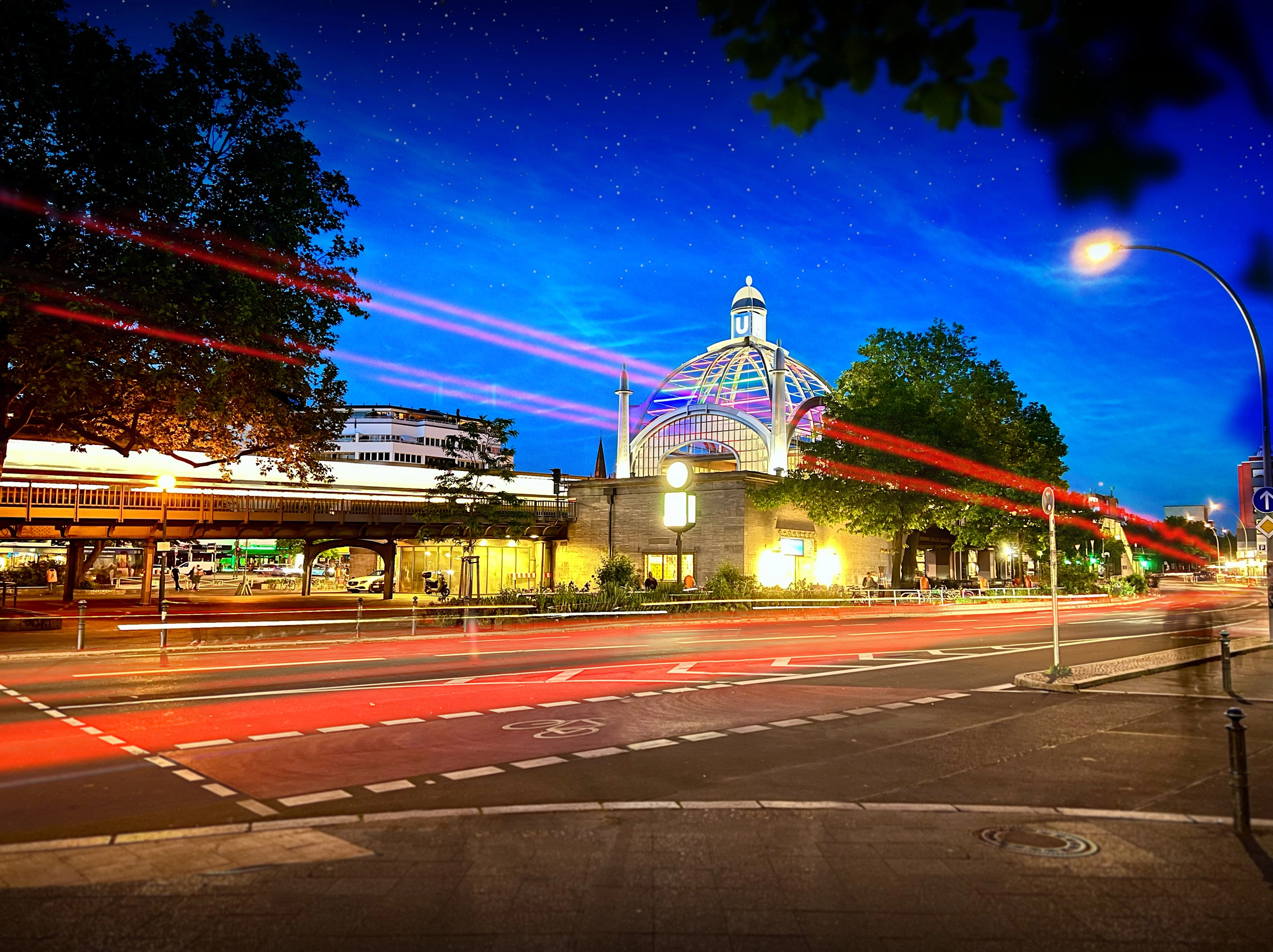
Visit Berlin describes the location as an ideal starting point for exploring the LGBTIQ+ scene around Nollendorfplatz. That isn't only marketing language: visit the museum and walk 15 minutes towards Nollendorfplatz afterwards, and you see in practice the layers the museum shows in theory and history.
What the museum exhibits
Rotating exhibitions with broad thematic range — history, art, activism, international queer movements, lesbian history, the AIDS crisis, trans history, and much more.
Alongside that, there's a substantial library and an archive used by researchers. Exhibitions change regularly, so even repeat visitors find something new.
Museum vs. quarter: two kinds of history
The museum offers what a walking tour cannot: curated collections, original objects, contextualised art, in-depth texts.
A walking tour offers what a museum cannot: the places themselves, atmosphere, encounters, the feeling of reading history while walking. Together they form a fuller impression than either alone.
How to combine the two
A sensible day plan: museum in the afternoon, KiezTour in the evening.
The museum closes earlier than nightlife — the sequence fits the natural day. You can also do the KiezTour first and the museum the next day for additional depth.
Who should visit
Tourists, Berliners, school groups, culture-curious visitors, people with specific queer research interests, family members of queer people, allies.
The museum has no insider barrier — it explicitly targets a broad audience.
Live in the quarter, not just on Google
The museum delivers context — our KiezTour takes you, before or after, directly into the streets where queer history became visible.
Our drag queen guides add what an exhibition space cannot.
Frequently asked questions
Where exactly is the Schwules Museum?
At Lützowstraße 73 in Berlin-Tiergarten, near Nollendorfplatz and Wittenbergplatz.
What is the entry fee?
Current prices are on the museum's website; reduced rates exist for students and concession groups.
Is the museum interesting for non-queer visitors?
Yes, explicitly. The programme is designed for a broad audience, not only insiders.
How do I combine museum and KiezTour in a single day?
Museum late afternoon, KiezTour in the evening. The two are close enough to walk between them.