
Show, performance, politics — what drag actually is in Berlin
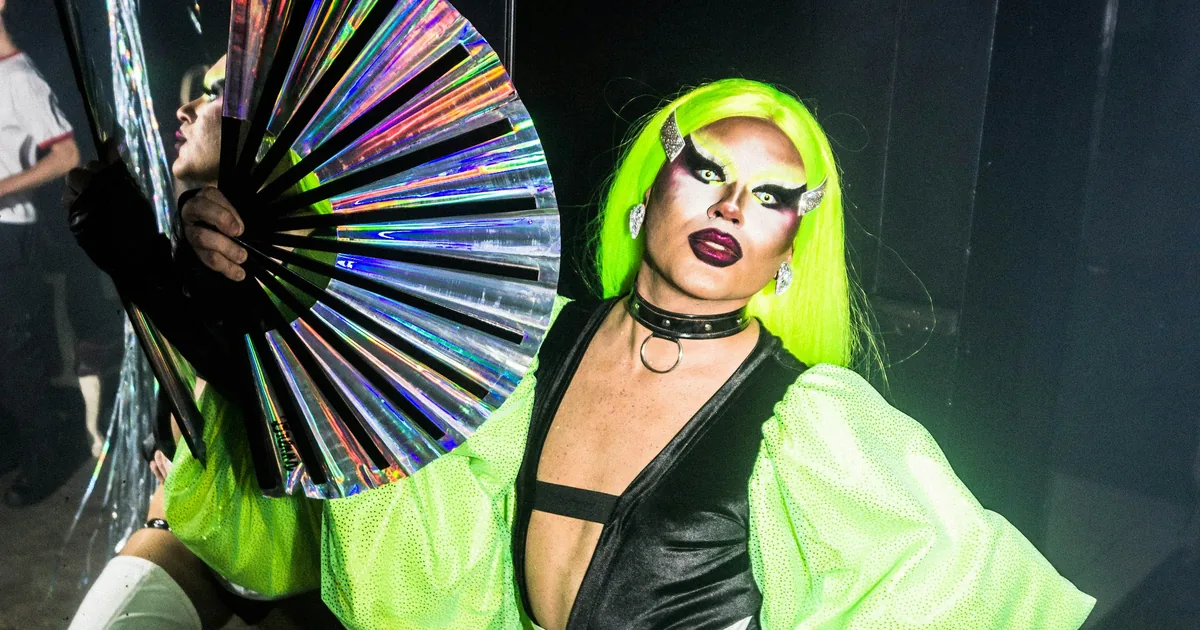
A drag show is not just one thing. We explain the format, what a typical Berlin show looks like — and what to expect as a first-time guest.
Drag show — explained briefly
A drag show is a live performance in which artists deliberately play with gender — through clothing, make-up, attitude and voice.
Read more
Historically associated with drag queens (often cis men performing as exaggerated female figures), today just as much with drag kings, non-binary drag and hybrid forms. What they share: drag is stage art, not private life — and it is always also commentary.
A drag show typically combines lip-sync (mimed to a known song), stand-up hosting, dance routines, costume changes and direct audience interaction. How much of each element ends up in the show depends on the performer, the venue and the format — a small Schöneberg bar show feels very different from a big production during Pride.
How a Berlin drag show typically runs
Most drag shows in Berlin happen in queer bars, cafés and small clubs.
Read more
You don't get a gala evening; you get live entertainment up close. A typical night runs 90 minutes to three hours and consists of several short acts, often hosted by an emcee who guides through the programme, ribs birthday groups and bridges pauses with sass.
Reservations are recommended for popular shows, especially weekends and during Pride season. Cash is still appreciated — tips go straight to the performers. Three to five euros per act is a friendly average; if someone really blew you away, give more.
Drag queens, drag kings, bio queens — the Berlin spectrum
The Berlin drag scene is much broader than what international TV formats show.
Read more
Alongside classic drag queens you'll find drag kings exaggerating masculinity, bio queens (women performing drag) and non-binary performers who don't fit neat categories. Berlin is one of the few European cities where all these currents regularly share the same stages.
What often gets overlooked: drag in Berlin didn't start with RuPaul. The scene runs from 1920s cabaret and Travestie traditions through East and West Berlin in the 80s to today's very mixed generation. A show usually gives you a living slice of that history.
What you should know as a guest
- Respect the stage. Drag is work. Don't photograph anyone without asking, and don't treat performers like costumes.
- Pronouns. Use female pronouns for drag queens and male for drag kings while they are in drag — unless they explicitly say otherwise.
- Tip in cash. Cards are fine for drinks, but bills in hand is the classic and appreciated.
2 more
- Hen and stag parties. Welcome in queer bars when respectful. Drag bars are not zoos.
- Language. Many Berlin shows run bilingually or switch flexibly between German and English depending on the audience.
Where to find drag shows in Berlin
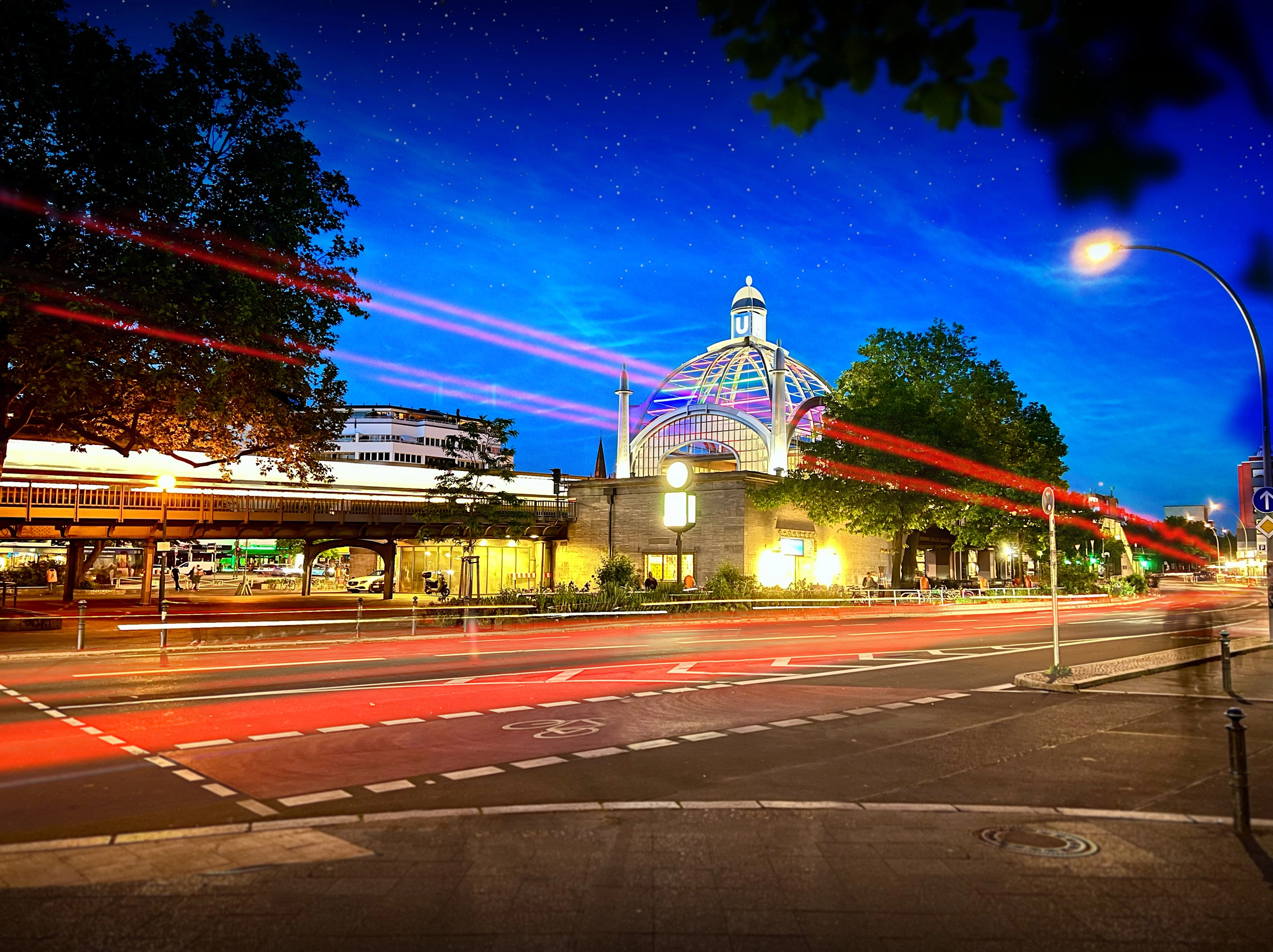
The historically densest cluster is the Rainbow Quarter around Nollendorfplatz: small queer bars in the Motz- and Fuggerstraße, weekend drag brunches in local cafés.
Friedrichshain and Kreuzberg host larger stage formats, including SchwuZ and a few clubs. In Neukölln a newer, often younger and more political drag scene has been growing for a few years.
For first-timers, small bars in the Nollendorfkiez are the easiest entry — you sit close to the performance, can ask questions, and get into conversations easily. A guided queer KiezTour is a relaxed way to ease into the scene without ending up in the wrong venue.
Live in the quarter, not just on Google
Reading about drag online is one thing. Watching a drag queen host, perform and trade sass with the audience in your local kiez is another.
On our KiezTour we stand in the places where Berlin drag has been at home for decades — and our drag queen guides are part of that scene, not just tour staff.
Frequently asked questions about Berlin drag shows
Do I have to be queer to visit a drag show?
No. Drag shows are open to anyone who behaves respectfully. In queer bars, remember you are a guest — which means: listen, celebrate along, don't take over the room.
How much does a drag show cost in Berlin?
In most small bars there is no cover charge — you pay for drinks and tip the performers. Bigger shows charge 10 to 25 € for entry; SchwuZ and large venues can cost more.
When do drag shows happen?
Mostly Thursdays to Sundays, often from 9–10 pm. Drag brunches run Saturday or Sunday mornings. Pride weekends are the densest show weeks of the year.
Can I come as a group?
Sure — but call ahead or reserve, especially for smaller venues. For birthdays and private groups, a private tour with your own drag queen guide is a good alternative or addition.