
Blog
Why this small plaque matters
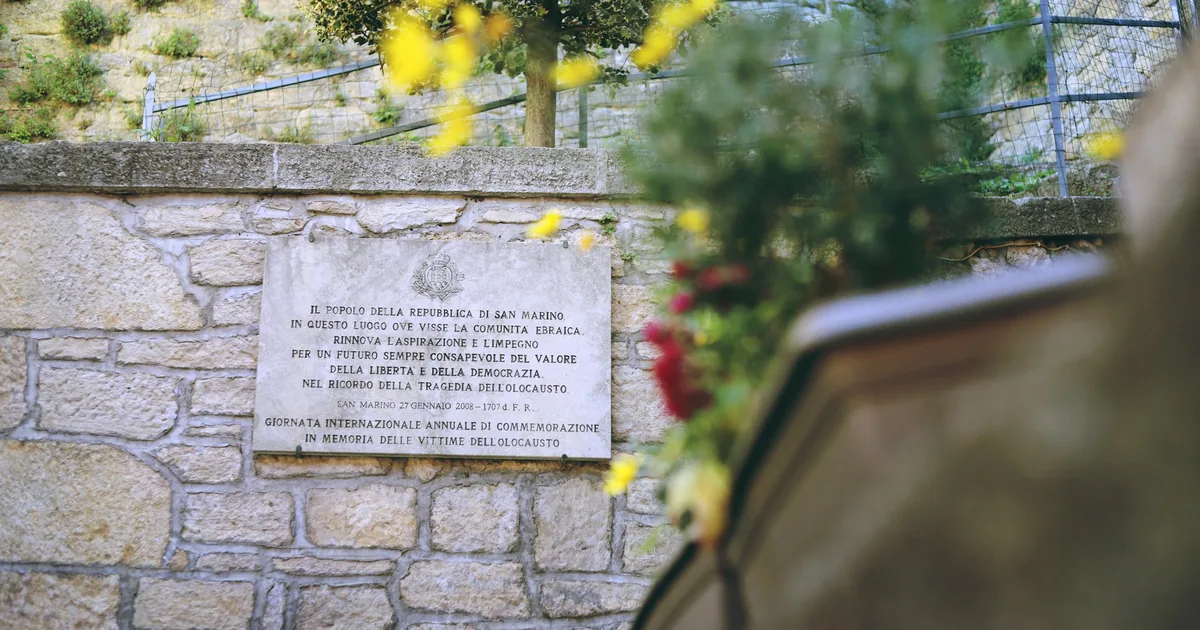
At Nollendorfplatz U-Bahn station, a memorial plaque with a pink triangle commemorates homosexual victims of the Nazi regime. It is small, easy to miss — and one of the central queer memorial sites in Berlin.
A small sign with a big meaning
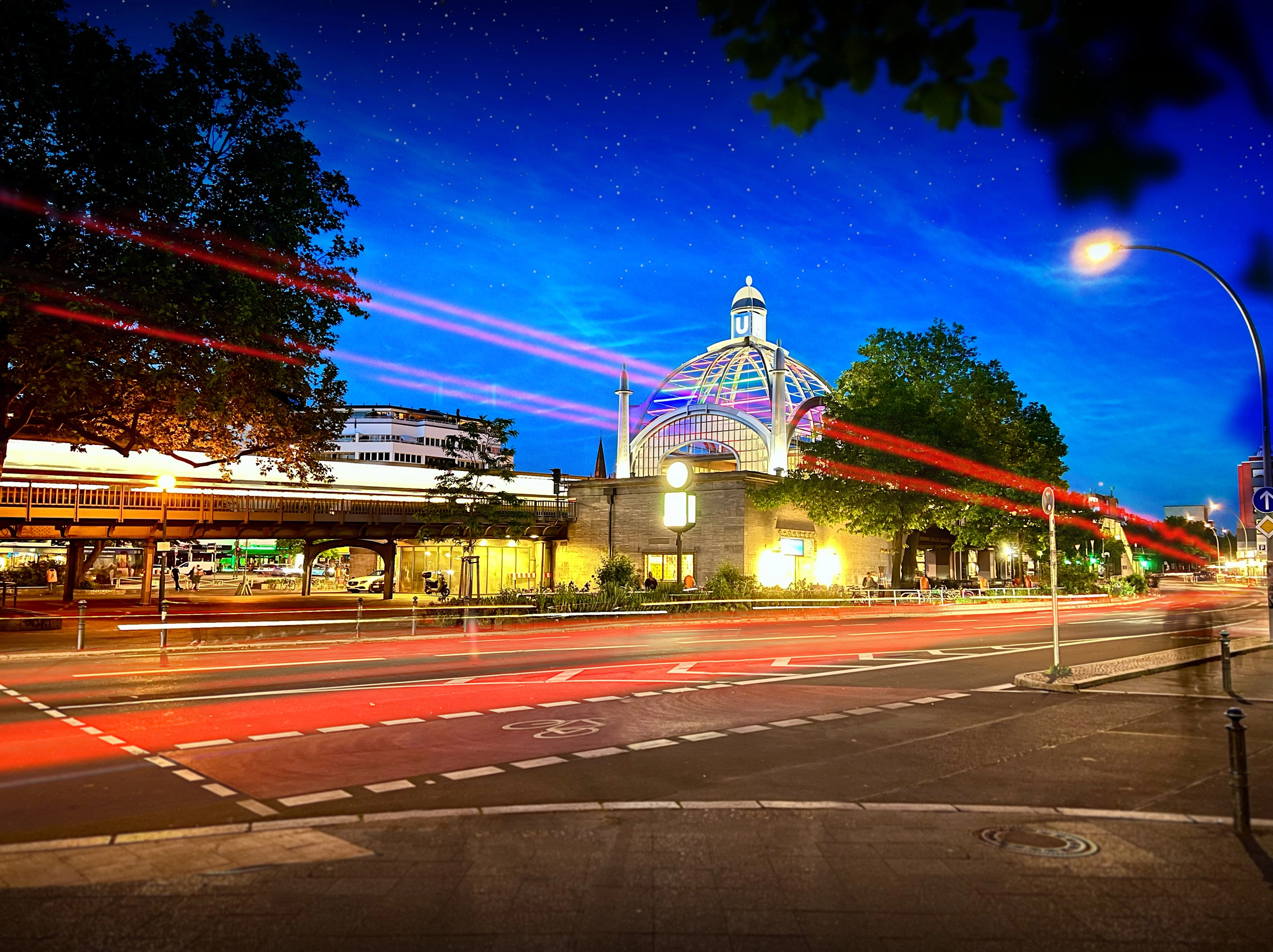
If you exit Nollendorfplatz U-Bahn station, you first see traffic, bars and rainbow flags. If you pause for a moment, you'll spot a relatively small memorial plaque with a pink triangle on the station's outer wall. It was installed in 1989 and has since become one of the most important queer memorial sites in Berlin.
Its small size is no accident. It is part of everyday space, not isolated in a designated memorial zone. That is precisely what makes it effective.
What does the pink triangle mean?
In the Nazi camp system, the pink triangle was the marker sewn onto the uniforms of homosexual male prisoners. It functioned as a marker of disenfranchisement, social isolation and targeted violence in the camps.
After 1945 it took decades for the symbol to be reclaimed. Only in the 1970s and 80s did the queer movement appropriate the pink triangle — first as a memorial sign, later as a symbol of queer visibility. This act of reclaiming is itself political: turning a sign of persecution into a sign of remembrance is an active form of taking ownership of history.
The plaque at Nollendorfplatz station
The plaque was installed in 1989. It uses the pink triangle to commemorate the persecution and murder of homosexual people during the Nazi regime. Both the timing and the location were deliberate: Nollendorfplatz was historically a centre of Berlin's gay scene — and is today the heart of the Rainbow Quarter. Remembrance here connects with present-day queer visibility.
Why this location matters
Other memorials in Berlin sit apart. The central Memorial to Homosexuals Persecuted under Nazism in Tiergarten is a state memorial that stands on its own. The Nollendorfplatz plaque works differently: it is part of everyday life — people walk past, tourists take photos, some pause, some don't. That very lack of separation is its value.
Remembrance without pathos
Memory tips into emptiness when treated as obligatory ceremony. The plaque doesn't demand that. It also works if you simply stop briefly, read the text, and walk on. The point is that the moment happens at all.
If you know the context, the plaque looks different: it is not an isolated sign, it sits in a quarter whose current visibility would look very different without the rupture under the Nazi regime.
What visitors should keep in mind
It's a memorial site, not a photo backdrop. Selfies in front of it aren't forbidden, but they read as disrespectful. Photographing the plaque itself in passing is fine, as long as it isn't used as a stage prop. A short reading pause is the more appropriate gesture.
Live in the quarter, not just on Google
On the KiezTour, this site is not a quick photo stop. We take time to contextualise it — because queer history isn't only made of glitter. Our drag queen guides connect remembrance and present without slipping into either cliché.
Frequently asked questions
Where exactly is the plaque?
On the outer wall of Nollendorfplatz U-Bahn station. It's visible in passing, but easy to miss if you aren't looking.
When was it installed?
In 1989. It was one of the first permanently visible memorial plaques of its kind in Berlin's public space.
Are there other queer memorial sites in Berlin?
Yes. The central Memorial to Homosexuals Persecuted under Nazism is in Tiergarten. Further plaques and memorial markers are spread across the city.
Is it worth visiting without a guided tour?
Of course — the plaque is freely accessible. But the context makes a real difference: with background, you understand much more clearly why it stands exactly here and why the reclaiming of the pink triangle by the queer movement matters.
Also worth a look on the KiezTour
Why the Weimar scene still fascinates
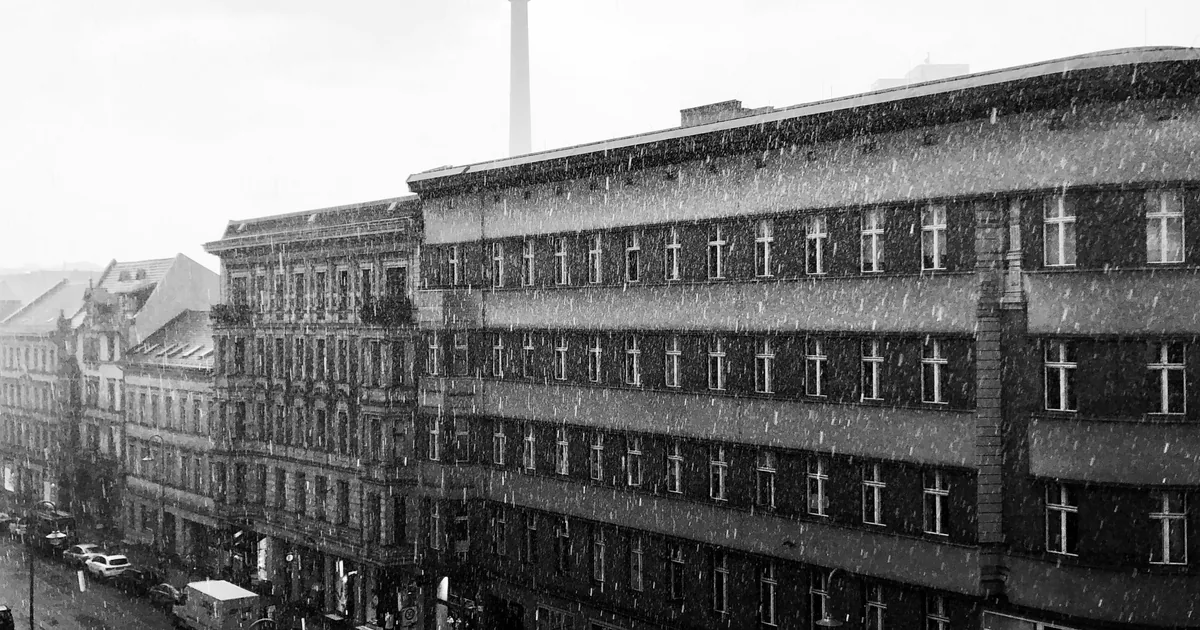
1920s Berlin is legendary as a queer high point. But there's a difference between cabaret myth and historical reality — and it matters for anyone who wants to understand the Rainbow Quarter today.
The fascination of the Golden Twenties
Cabaret, Marlene Dietrich, glamour, nightlife, the Eldorado — anyone hearing "1920s Berlin" has images instantly. They aren't wrong, but they're incomplete. They tend to skip over how politically and economically unstable the Weimar Republic was, the fact that Paragraph 175 kept criminal prosecution possible, and that this dazzling visibility was carried by a much smaller share of the population than the myth suggests.
And yet the basic feeling holds: in few other places and periods was queer life as openly negotiable in Europe as in 1920s Berlin.
Berlin as a centre of queer visibility
Before the Nazi era, Berlin had a vivid queer culture and an early emancipation movement. Magnus Hirschfeld founded the Institut für Sexualwissenschaft in 1919, several associations worked on reforming Paragraph 175, magazines like Die Freundin and Der Eigene reached an actual audience, and the scene had bars, cabarets, balls and public events at a density unmatched in other European cities.
Schöneberg and Nollendorfplatz
Geographically, much of this concentrated in Schöneberg. Bars around Motzstraße and Nollendorfplatz, cabarets such as the Eldorado, plus venues at Wittenbergplatz and in Tiergarten. Anyone who visited Hirschfeld's institute and wanted to go out afterwards could be inside one of the densest queer infrastructures in the city within minutes. That spatial proximity has shaped the quarter to this day.
Who was visible — and who wasn't
The dazzling scene didn't reach everyone equally. Visible were mostly middle- and upper-class people with money, networks and a willingness to take risks. Lesbian women were less prosecuted but had fewer formal venues and a different kind of public sphere. Trans people — at the time categorised as transvestites — had visible spaces in some venues but barely any political representation. Working-class queers, precarious lesbians and gays, queer migrants generally lived realities very different from the images that ended up in tourist guides.
These distinctions are not academic. They change how we read the 1920s myth today.
The abrupt rupture from 1933
In 1933, Weimar visibility ended within weeks. Bars were closed, associations dissolved, files seized, Hirschfeld's institute destroyed. Nazi persecution hit homosexual men hardest: over 50,000 convictions under the tightened Paragraph 175, several thousand deportations to concentration camps. Lesbian women were less often formally prosecuted but systematically isolated. This history is non-optional for any narrative of the 1920s — without it, the myth becomes a backdrop without shadows.
Why this history still matters today
Visibility needs places, protection and political backing. The 1920s show what was possible. The 1930s show how fast it could disappear. Both together are the actual lesson — not one without the other.
Live in the quarter, not just on Google
On the KiezTour we connect both sides: the dazzling 1920s scene and the question of why it could be destroyed so quickly. Our drag queen guides stand in front of addresses where this history materialises.
Frequently asked questions
What made Berlin so unusual?
A mix of relative Weimar-era liberalisation, an active emancipation movement, dense urban structures and a cultural openness that no other European city combined to the same degree at the same time.
Was homosexuality legal in 1920s Germany?
No. Paragraph 175 continued to criminalise sexual acts between men. Reform movements existed, but legalisation did not happen.
What happened to the bars and associations after 1933?
They were closed, dissolved or repurposed. Structures grown over decades were destroyed in weeks.
How can I experience this history today?
At the Schwules Museum, in academic publications, at memorial sites such as the plaque at Nollendorfplatz, and on walking tours that include historical addresses.
Also worth a look on the KiezTour
Why queer Schöneberg history was never only gay history

Schöneberg's queer history is often told as a story about men. That is incomplete. Here is the lesbian side of the Rainbow Quarter — what we know, what we suspect, what we don't.
Why this story often disappears
If you read about queer history, you bump disproportionately into men: Hirschfeld, Isherwood, the Eldorado, Paragraph 175. There are reasons for that — but it isn't the full picture. Lesbian history has long been under-researched, and Schöneberg in particular has a tradition that hardly shows up in many walking tours.
That gap isn't accidental. Paragraph 175 didn't directly criminalise lesbian women, which paradoxically meant fewer files, fewer police records and fewer formal sources — and therefore less of what conventional historiography is made of.
Schöneberg as a lesbian meeting place
The area around Nollendorfplatz was, during the Weimar Republic, also an important meeting place for the lesbian community. There were women's clubs, associations and venues where women could meet without having to hide their relationships. Some addresses were explicitly listed as women's clubs, others were used flexibly depending on weekday, time and event format.
Berlin in that period also had lesbian magazines such as Die Freundin, which published meeting points, political topics and reader letters. Together this added up to a kind of lesbian public sphere that was rare in Europe at the time.
Bars, associations, magazines, networks
What is documented includes venues that hosted dance events for women, associations that combined social and political functions, and publications with a self-aware audience. These structures weren't promoted to tourists like the Eldorado was, but they were a denser everyday part of the community than today's narrative often suggests.
Caution helps when researching: not every address mentioned in modern guidebooks is identical to what is documented historically. The Schwules Museum and academic publications on lesbian history are reliable starting points.
Visibility and invisibility
Lesbian history has a structural visibility problem. Where gay history often works with images of public bars and persecution files, lesbian history more often happened in apartments, salons, smaller clubs and private networks. That was partly protection, partly necessity, partly a different form of sociability.
For memorial culture this means: it is not enough to list well-known addresses. Lesbian history has to be made visible actively, otherwise it disappears.
Why a modern walking tour has to think about this
A tour that treats queer history as gay men's history alone reproduces the very problem it should challenge. A good tour names research gaps, foregrounds lesbian addresses where they're documented, and stays cautious where sources are thin.
What visitors can take away
First: queer history is plural. Gay, lesbian, trans, bisexual — these histories are intertwined but not identical. Second: not finding sources doesn't necessarily mean nothing happened, it can mean nothing was filed. Third: visibility is a political project, not a state of affairs.
Live in the quarter, not just on Google
Our KiezTour deliberately doesn't only follow the loud, well-known stories. The Nollendorfkiez is exactly the place to see how diverse queer life already was a hundred years ago. Our drag queen guides make that diversity a topic, instead of skipping over it.
Frequently asked questions
Was Schöneberg a lesbian centre too?
Yes. It wasn't exclusively lesbian, but lesbian meeting places and publications were part of the Weimar scene around Nollendorfplatz.
Why do we hear less about lesbian bars?
Paragraph 175 did not directly criminalise lesbian women, which produced fewer official records and less formal visibility — not less actual life.
Are there still lesbian spaces in Schöneberg today?
The scene is less strictly gendered than in the 1920s, but there are explicitly FLINTA*-focused bars, events and initiatives in the area.
Where can I learn more?
The Schwules Museum exhibits lesbian history alongside gay history. Academic publications and books on lesbian Berlin fill in the picture.
Also worth a look on the KiezTour
- Our drag queen guides — stories beyond the clichés
- KiezTour dates
- Queer history of Schöneberg
- Queer Berlin in the 1920s
Why bars here are more than counters with drinks
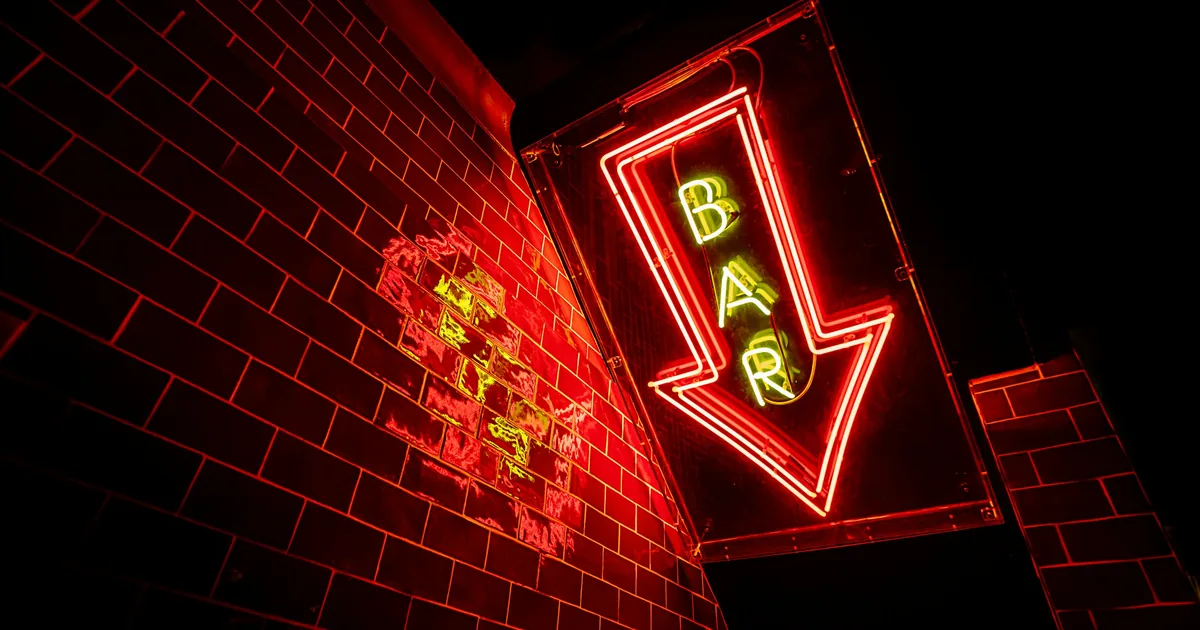
Queer bars around Nollendorfplatz are safe spaces, sites of memory and community meeting points — not just nightlife addresses. Here's what to keep in mind when you visit.
Why people search for queer bars
If you arrive in a new city and you're queer, the first thing you often google is bars in the area. That isn't just tourist behaviour, it's an older practice: bars have always been one of the first places where queer people can be safely visible — as a meeting point, an information channel, a safe space. At Nollendorfplatz this logic is especially obvious.
The Nollendorfkiez as a bar and scene quarter
Visit Berlin describes Nollendorfplatz as one of the most colourful and historically rich quarters of the city — characterised by rainbow flags, scene bars, culture and community. The bars here aren't a theme-park offer, they're part of an infrastructure that has grown over decades. Some addresses have existed for thirty years or more, others appear with new generations, others close.
What they share: they aren't primarily made for tourists, but for a regular crowd. Visitors are welcome, but they aren't the target group.
Bars as safe spaces
Historically, queer bars in Germany were lifelines — particularly when Paragraph 175 still criminalised homosexuality. Finding a bar meant finding a network: housing tips, lawyers, medical advice, later political organising. The safe-space function matters less existentially today, but it hasn't disappeared. For many queer visitors from less tolerant environments, bars in the Rainbow Quarter remain the first place where they can simply arrive, without explaining themselves.
Bars as sites of memory
In some bars the regulars carry stories that aren't in any book. Come back often enough and you learn which address has been here since the 1980s, who used to perform on which stage, what role specific rooms played during the AIDS crisis, the fall of the Wall, gentrification. This oral history is its own archive — and one reason why treating bars purely as consumption backdrops is a mistake.
Why not every bar fits everyone
The quarter has mixed mainstream bars, classic men's bars, leather and fetish bars, cocktail-focused addresses, drag-performance venues and bar-style cafés. Each has its own codes, regulars and atmosphere. Walking in as an outsider doesn't mean the bar will adjust to your expectations.
Not every bar is the right place for every visitor on every night. That's a feature, not a bug.
How to behave respectfully as a visitor
- No photos without consent. None. Not even quick story snippets in the background.
- Order something — taking up space without buying a drink blocks regulars.
- Respect codes. If a bar is marked as a men's bar, that's information, not a barrier to be tested.
- Match the noise level. Large bachelor/bachelorette-style groups are not welcome in many small bars.
- Tip. Always.
Live in the quarter, not just on Google
On the KiezTour we visit bars and locations that shape the quarter today. The point isn't where you drink, it's why these places matter for queer life. The addresses we include are listed on our locations page.
Frequently asked questions
Are queer bars in the Nollendorfkiez open to straight visitors?
Mostly yes. Some bars have a deliberate male or female focus, which should be respected. Mixed bars are open to everyone, as long as codes and atmosphere are respected.
Which bar is the right one for a first visit?
That depends on whether you're after cocktails, leather, drag shows or a quiet café. A guided tour is a good way to sample several atmospheres in a single evening.
When are the bars busiest?
Thursday to Saturday from 10 pm onwards. Sundays are usually relaxed. Most bars don't open in the morning on weekdays.
Are queer bars open during the day?
Some cafés and bistro-style bars in the quarter are open during the day. Classic late-night bars usually open only in the evening.
Also worth a look on the KiezTour
- KiezTour dates — Thursdays through the quarter
- Locations and bars in the Rainbow Quarter
- What makes the Rainbow Quarter unique
- An evening in the Rainbow Quarter
A myth between stage, visibility and voyeurism
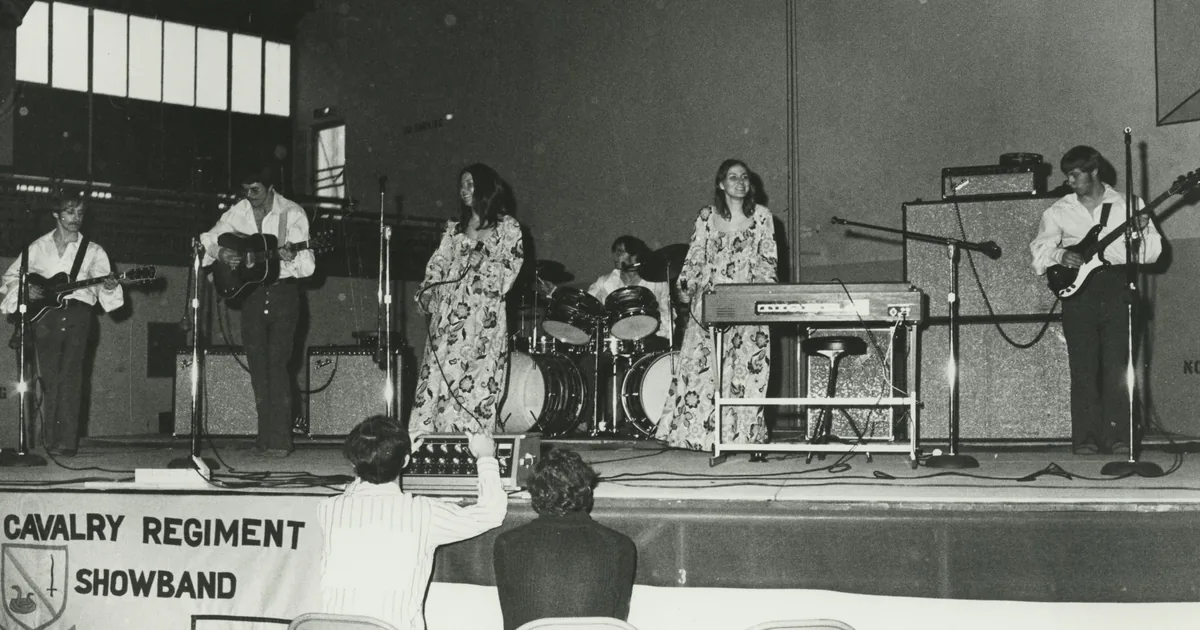
The Eldorado was one of the best-known queer venues in 1920s Berlin — and remains, to this day, a symbol of the dazzling but fragile visibility of the Weimar Republic.
A name that still glows
Anyone reading about queer Berlin in the 1920s quickly runs into a single name: Eldorado. The word stands for the promise of a city that briefly and intensely allowed queer visibility on a scale Europe had hardly seen before — and that the Nazis brutally ended. The name still surfaces in films, novels, exhibitions and walking tours today.
What was the Eldorado?
Eldorado was the shared name of two well-known Berlin homosexual and transvestite venues before the Second World War. The most prominent address was in Motzstraße in Schöneberg; another was in Lutherstraße. It is among the best-documented Weimar-era scene venues — visible, advertised, mentioned in travel guides, and known internationally.
The venue combined dance floor, cabaret stage and bar. It drew a mixed audience: gay men, lesbian women, crossdressers, tourists, artists and middle-class visitors looking for a night in Berlin's nightlife.
Why the Eldorado became famous
Three factors built the legend. First, open visibility — unlike many bars of its time, the Eldorado was not run as a hidden insider venue but as a publicly advertised place. Second, the crossdressing tradition with its own balls and performances, which attracted an international audience. Third, timing — the Weimar Republic was short, creative and, in contrast to what followed, marked by a liberalism that looks almost mythical in retrospect.
Between fascination and voyeurism
It's worth not romanticising the Eldorado. Part of the audience came out of genuine belonging, another out of curiosity — and a not-small part out of pure voyeurism. Travel guides of the time listed the venue as a sight, with the unspoken promise of an exotic glimpse of "the other Berlin".
This mixture made the place both visible and vulnerable. Being on display does not equal being protected — a lesson that remains relevant for queer spaces today.
The end of the freedom
In 1933 this visibility ended abruptly. The Eldorado, like many Schöneberg bars, was shut down. The NSDAP even temporarily used the building in Motzstraße as a party office — a particularly cynical reuse. Many regulars, performers and owners were persecuted; some left Germany, others were deported to concentration camps. With the Eldorado, not just a club but an entire form of public queer self-staging came to an end.
What of the Eldorado remains today
The physical Eldorado no longer exists as a queer club. What remains is city history — and myth. Films like the musical Cabaret or novels in the tradition of Christopher Isherwood draw on images at least partly grounded in venues like this one. Academic research, exhibitions at the Schwules Museum and walking tours through Schöneberg keep the memory alive.
The more important part, though, is not the glamour but the lesson: visibility without political protection is fragile.
Live in the quarter, not just on Google
On the KiezTour we don't just say that the Eldorado existed. We talk about why such places promised freedom — and why that freedom collapsed so quickly. Our drag queen guides stand in front of addresses in Motzstraße and explain what we can learn from them.
Frequently asked questions about the Eldorado
Where was the Eldorado in Berlin?
There were two main locations. The best-known was in Motzstraße in Schöneberg; a second was in Lutherstraße. The Motzstraße building still stands.
Can you visit the Eldorado today?
No, the original venue is gone. The address remains as a site of memory, but not as a museum.
Was the Eldorado only for gay men?
No. It drew a mixed audience: gay men, lesbian women, crossdressers, tourists, artists. The mix was part of the concept.
Why is the Eldorado still a symbol?
Because it embodied the bright visibility of the Weimar Republic like few other places — and because its rapid disappearance after 1933 shows how fragile that visibility was.
Also worth a look on the KiezTour
- KiezTour dates — Schöneberg history on location
- Historic locations in the Rainbow Quarter
- Queer Berlin in the 1920s
- Queer history of Schöneberg